Request an Appointment or Give us a call
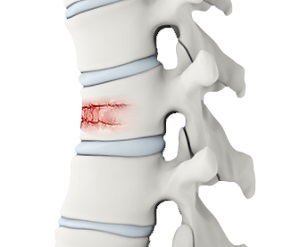
What is Spinal Trauma Surgery?
Spine trauma surgery is a specialized surgical intervention performed to stabilize and repair the spine after traumatic injury. These injuries can result from accidents, falls, sports injuries, or violent trauma and may involve fractures, dislocations, ligament tears, or spinal cord damage.
What are the Indications for Spinal Trauma Surgery?
Common indications for spinal trauma surgery include spinal instability, spinal cord compression, and progressive neurological deficits. Surgery is often needed for unstable vertebral fractures (like burst or fracture-dislocation injuries), worsening nerve function, or when conservative treatment fails. Other indications include spinal deformity after trauma or penetrating injuries that compromise spinal integrity. The goal is to stabilize the spine, relieve pressure on nerves, and prevent further damage.
What are the Common Surgical Procedures Used in Spinal Trauma Surgery?
Common surgical procedures used in spinal trauma surgery include the following:
- Spinal Fusion: Fusing two or more vertebrae to stabilize the spine.
- Decompression: Removing bone or disc material to relieve pressure on the spinal cord or nerves.
- Internal Fixation: Using rods, screws, or plates to hold the spine in alignment.
- Vertebroplasty/Kyphoplasty: Minimally invasive procedures to stabilize vertebral compression fractures using bone cement.
What Does the Procedure for Spinal Trauma Surgery Involve?
In general, the procedure for spinal trauma will involve the following steps:
- The patient is given general anesthesia to ensure they are fully unconscious and pain-free.
- The patient is carefully positioned (usually prone or on their side) depending on the injury location - cervical, thoracic, or lumbar spine.
- The surgeon accesses the spine through either the front (anterior), back (posterior), or side (lateral) of the body, based on the injury type and location.
- Damaged bone, disc material, or hematoma pressing on the spinal cord or nerves is removed to relieve pressure.
- Screws, rods, plates, or cages are inserted to stabilize the spine. In some cases, spinal fusion (joining of two or more vertebrae) is performed using bone grafts.
- The incision is closed with sutures or staples, and a sterile dressing is applied.
The procedure can vary depending on the severity and location of the trauma, but the overall goal is to protect the spinal cord and nerves while restoring spinal stability.
What Does Postoperative Care for Spinal Trauma Surgery Involve?
Following surgery, the patient is moved to the recovery area where patients are closely observed for signs of infection, bleeding, and changes in neurological function. Pain is managed with medications, and immobilization devices such as braces or collars may be used to protect the spine during recovery. Early physical therapy is typically initiated to promote mobility, prevent blood clots, and support rehabilitation. Wound care and regular follow-up imaging are important to monitor healing and the position of any surgical implants. Depending on the severity of the injury, patients may also require long-term rehabilitation to regain strength and function.
What are the Risks and Complications of Spinal Trauma Surgery?
Risks and complications associated with spinal trauma surgery include the following:
- Infection
- Nerve injury
- Bleeding
- Non-union or malunion of bones
- Hardware failure
- Blood clots
- Spinal fluid leak
- Chronic pain or neurological deficits
For more information about our services or to schedule an appointment, call us at or click here to request an appointment online. We’ll respond to you as soon as possible.